
Better structured and more coherent content
Separate research, outline, drafting and refinement stages support more coherent content development.
Generative AI product case study
A structured content platform that moves users from thinking to outlining, writing and controlled refinement.
In an era where digital presence directly influences brand authority and professional growth, individuals and organizations are under constant pressure to produce high-quality content across multiple platforms. Whether it’s LinkedIn posts, long-form blogs, or thought leadership articles, content is expected to be not only frequent but also deeply personalized, structured, and engaging.
Project classification: This project showcases a structured AI content platform for research, outlining, writing, personalisation and versioned refinement.
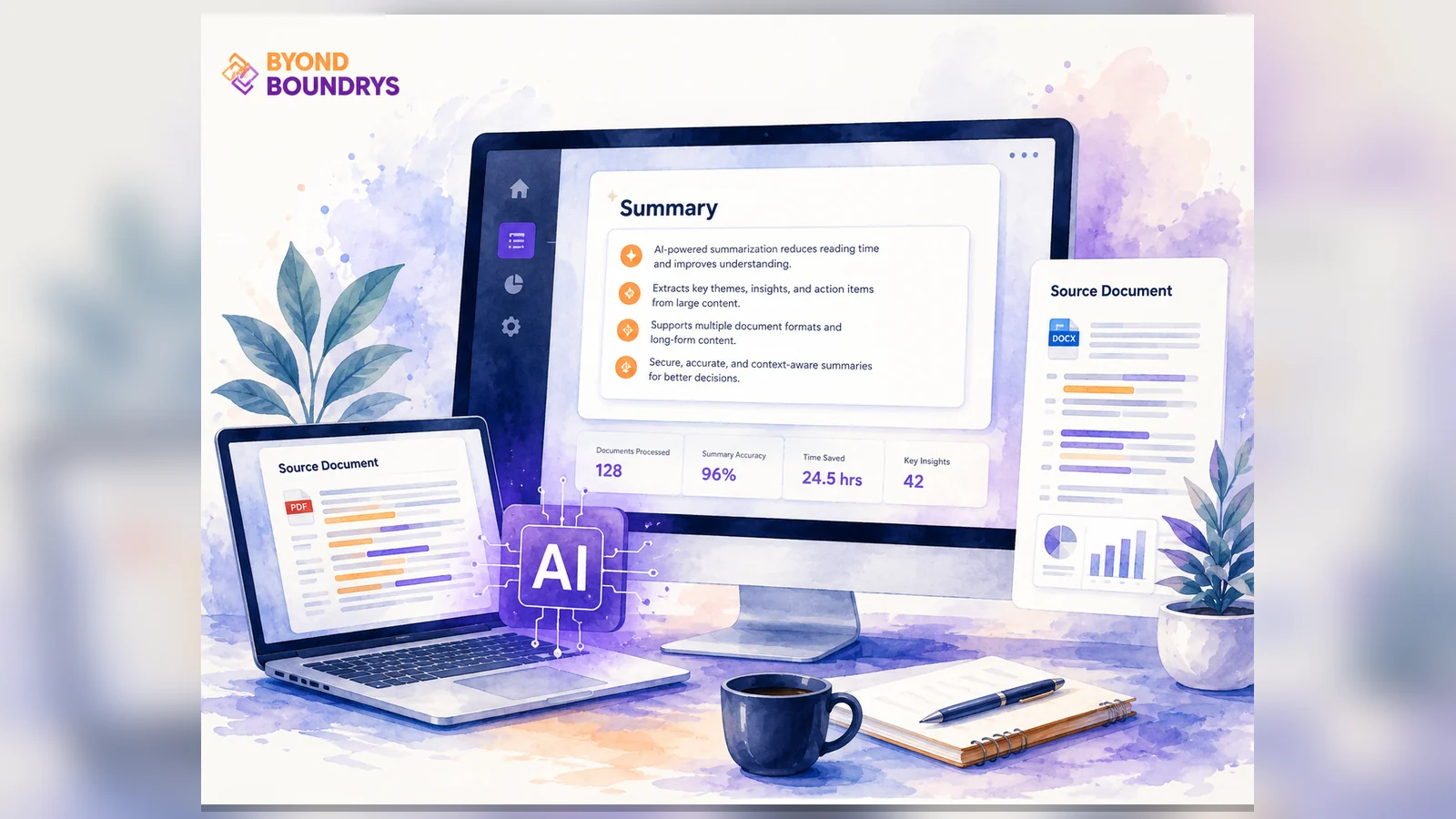
Separate research, outline, drafting and refinement stages support more coherent content development.
Reusable formats and personalisation data help maintain a more consistent writing approach.
Multi-source context is brought into one workflow instead of switching between disconnected tools.
01 / Business context
In an era where digital presence directly influences brand authority and professional growth, individuals and organizations are under constant pressure to produce high-quality content across multiple platforms. Whether it’s LinkedIn posts, long-form blogs, or thought leadership articles, content is expected to be not only frequent but also deeply personalized, structured, and engaging. However, modern content creation is inherently complex. It requires a combination of strategic thinking, clarity of ideas, tone consistency, and platform-specific formatting.
02 / Challenge
Content generation must balance speed, quality, personalization, and structure simultaneously. However, most existing AI tools treat content creation as a single-step task, ignoring the multi-stage thinking and contextual depth required in real-world workflows.
03 / Workflow transformation
04 / Solution
Shift from single-step generation to structured pipelines instead of generating content directly from prompts, the system introduces a multi-stage flow to improve coherence and logical progression. Incorporation of intermediate reasoning (deep thinking) a dedicated step is used to understand and refine user intent before content generation, enabling more context-aware and meaningful outputs.
Bring user notes, URLs, PDFs and images into one normalised context.
Run content creation through a controlled multi-stage workflow.
Apply user-defined structures, tone and content preferences.
Keep alternatives, comparisons and guided regeneration rather than overwriting work.
05 / Example workflow
06 / Delivery scope
The public case study covers structured content generation, personalisation and versioning. It does not expose private model reasoning or claim that every conceptual feature is live.
07 / Architecture and controls
Research, outline, drafting and refinement remain separate, reviewable workflow stages.
Users can compare versions and review ingested context before publishing.
Production use requires policy controls for harmful, infringing or deceptive content.
The product should present useful summaries and workflow state, not hidden model chain-of-thought.
08 / Business value
Separate research, outline, drafting and refinement stages support more coherent content development.
Reusable formats and personalisation data help maintain a more consistent writing approach.
Multi-source context is brought into one workflow instead of switching between disconnected tools.
Version history supports controlled review, comparison and refinement before publishing.
Structured inputs reduce the need for users to repeatedly design complex prompts.
09 / Technology
Technology choices from the supplied project brief, mapped to the workflow each component supports.

Structured extraction, reasoning or generation

Stateful multi-step AI workflow orchestration
Reviewer or product user interface

AI, data-processing and backend logic

Backend APIs and workflow orchestration
Structured schema and output validation

Tabular data processing and analysis

Managed Gemini and AI model integration
Numerical processing

Document parsing, chunking and normalisation
Related work


AI DISCOVERY ENGAGEMENT
One focused engagement to assess your business workflows, compare 5–7 candidate opportunities and recommend the first workflow worth funding.